
Top Ways to Pour Concrete: From Truck, Wheelbarrow, Buggy, or Pump
Last Updated February 2026
If you’re planning a concrete project, ordering ready-mix concrete is only part of the equation. The next big question is how the concrete will actually get from the truck into your forms.
Because we provide ready-mix concrete delivery throughout the Lake Norman area, this is a question our team helps customers plan for every day.
Access, distance, elevation, and job size all affect which pouring method makes the most sense. Choosing the right approach can save time, labor, money, and help avoid a stressful pour day.
Below are the four most common ways to pour concrete, along with when each option works best.
1. Pour Directly From The Truck:
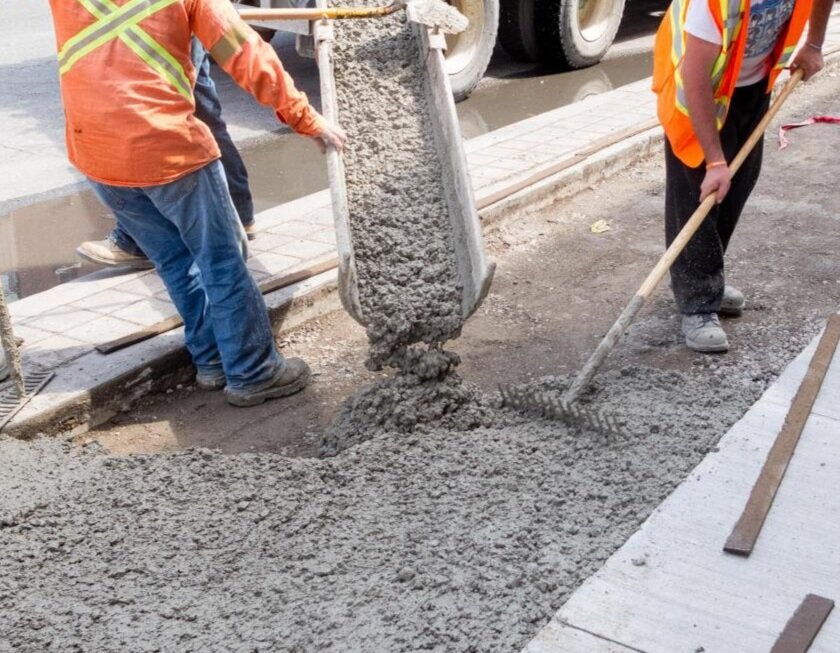
When access allows, this is by far the simplest and most efficient method.
If the truck can back up close enough to your forms, concrete can be discharged directly from the chute into place.
Best for:
Driveways
Sidewalks
Slabs with good access
Jobs near the street or driveway
Pros:
Fastest method
Least physical labor
Most consistent pour
Lower overall cost
Cons:
Requires clear access
Limited reach from the truck chute
Potential damage to existing driveways, walkways, underground pipes, and septic tanks
When possible, this is almost always the preferred option.
2. Pour Into A Wheelbarrow:

Wheelbarrows are common on small residential projects, especially when access is limited.
Concrete is discharged from the truck into wheelbarrows and then transported manually to the forms.
Best for:
Very small pours, less than 2-3 yards
Short distances from the truck
Tight access areas
Pros:
Simple and inexpensive
No rental equipment required
Avoids risk of putting the mixer truck in a bad position
Cons:
Extremely labor-intensive
Slows down the pour
Increases risk of cold joints
Tough on your body
For anything more than a very small pour, this method can quickly become exhausting and inefficient. There are approximately 10-14 wheelbarrow trips to move one yard of ready-mix concrete. This means if your project requires 5 yards, it would take 50-70 wheelbarrow trips.
Like pouring directly from the truck, there is no added cost or set up time. You will also avoid the hassle of getting the truck stuck in the mud, or the repair costs of fixing a smashed septic line.
3. Use A Georgia Buggy:

A Georgia buggy is a motorized wheelbarrow designed to move concrete faster and with less physical strain than manual wheelbarrows.
Best for:
Medium-sized pours
Moderate distances
Projects with limited truck access
Pros:
Faster than manual wheelbarrows
Less physical labor
More consistent pace
Great option for 5-10 yard jobs
Decreased risk of truck damaging existing concrete or property
Cons:
Rental cost
Not ideal for very large jobs
Requires space to maneuver
Requires the ability to pick up the buggy or pay for drop off
As of 2026, Georgia buggy rentals are approximately $300 per day, depending on availability and location.
4. Pour Concrete With a Pump:

Concrete pumps are used when access is difficult or when concrete needs to travel long distances, uphill, or around obstacles.
A pump transfers concrete from the truck through hoses directly into the forms.
Best for:
Backyard slabs
Tight residential neighborhoods
Elevated pours
Projects with limited or no truck access
Pros:
Reaches areas trucks can’t
Fast and controlled placement
Reduces property damage
Excellent for complex pours
Cons:
Highest upfront cost
Requires scheduling coordination
Concrete pumping costs typically start around $600–$900+, depending on setup and hose length, but can save significant time and labor on challenging jobs.
Not sure which method is right for your project? We refer homeowners in the Lake Norman and greater Charlotte region to vetted local concrete contractors at no charge. A good contractor will assess your access, recommend the right pouring method, and handle the logistics so you don't have to.
Which Concrete Pouring Method Is Best?
There’s no single right answer. It depends on access, distance, and project size.
General rule of thumb:
Direct truck pour → Best when access allows
Wheelbarrows → Only for very small jobs
Georgia buggy → Middle ground for limited access
Concrete pump → Best solution for difficult access
Not sure which method fits your job? Call us and we’ll help you plan access before pour day.
Frequently Asked Questions About Pouring Concrete:
What is the easiest way to pour concrete?
Pouring directly from the concrete truck is the easiest and fastest method when access allows. It minimizes labor and ensures a continuous pour.
When do I need a concrete pump?
A concrete pump is typically needed when a truck or buggy cannot get to the forms, such as backyard pours, steep driveways, or areas blocked by fencing or structures.
Is a Georgia buggy better than wheelbarrows?
For medium-sized pours, yes. A Georgia buggy moves concrete faster and reduces physical strain compared to manual wheelbarrows, but it still has capacity limits.
Can homeowners choose the pouring method?
Yes. Homeowners can absolutely choose the method that works best for their project. Many residential pours benefit from professional guidance to select the most efficient option.
How do I know which method is right for my project?
Access, distance from the truck, elevation, and total yardage all matter. If you’re unsure, talking it through ahead of time can help avoid issues on pour day.
Ready to Order Concrete Delivery?
Rocket Concrete delivers ready-mix concrete across the Lake Norman and greater Charlotte region, Mooresville, Statesville, Troutman, Denver, Huntersville, Concord, and surrounding areas. We handle loads from 1 yard to 100+ yards. If you're a contractor or homeowner who has the pour method figured out and just needs reliable delivery, give us a call.
Need a Concrete Contractor?
We refer homeowners in the Lake Norman and greater Charlotte region to vetted local concrete contractors at no charge. No obligation, no hassle. Tell us about your project and we'll connect you with someone we trust.